
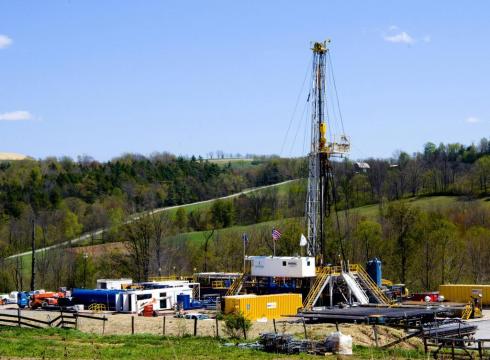
 Hydraulic Fracturing or ‘Fracking’ is a new unconventional and controversial technique for extracting gas and in some case oil from the deep bedrock. It has serious environmental and quality of life issues for all of us, but particularly for those of us who live in areas that sit on top of these deposits. Unfortunately for us, that included large areas of North Oxford and Cherwell.
Fracking has been sold as being the answer to the UK’s energy problems, but in areas like the USA where it’s been widely used, this has not been proved to be the case. What has been shown is that it contaminates water supplies and creates huge amounts of noise and disruption for local residents. It’s also been implicated as the cause land movements and in some cases actual earthquakes. Indeed when the first test drill was sunk in the UK near Blackpool, they experienced one of the strongest earth tremors recorded in the area in decades.
The main process involves drilling large bore holes, often sideways underneath properties not owned by the drilling companies (as right that has now been granted to them by the government) and pumping a cocktail of water and up to 90 different chemicals, many of them highly toxic, into the ground under immense pressure. This cracks the rock and releases trapped gas. The water is then recycled back into the normal water system where it’s treated and used again. That is apart from the water that leaks into local water courses and along with some of chemicals and the gas.
If you want to see how this process affects local people watch the film Gasland and Gasland 2, clips of which are available on YouTube.
https://www.youtube.com/watch?v=dZe1AeH0Qz8
Another main method is something called underground coal gasification, which involved drilling into coal seams and then setting them alight. The controlled burn then generates coal gas which is extracted. This process is often hard to control and becomes every bit as horrific as it sounds. This is the type of extraction that we could see being used in areas like Bloxham which sits on large coal deposits.
A national pressure group has also been set up called ‘Frack Off’. They recently released a short video that explains what we may see in our area if fracking is allowed to go ahead.
https://www.youtube.com/watch?v=BYniYtJEeeI
government’s presumption against fracking in designated areas, such as national parks, goes to show that the Coalition recognises that hydraulic fracking will harm the environment and presents significant risks.
The Green Party calls on the government to offer all communities the same protection from dirty and dangerous fracking and shift energy policy focus instead towards clean, renewable energy sources and energy conservation.
The latest bidding process for licenses to extract shale gas from large parts of the UK is under way. The government is also proposing to pay large amounts of money to local councils that support fracking, regardless of local residents wishes.
About half the UK is open to exploration, but tightened rules cover areas of outstanding beauty and large areas of Cherwell. The Green Party is the only mainstream political party fighting to stop fracking being pushed through by a government which consistently puts corporate profit over people.
Caroline Lucas, MP for Brighton Pavilion, said:
“While the Government has signalled an intention to ensure some protective measures, we can have little confidence in promises of a robust regulatory framework.
“We know fracking can cause water contamination and shortages, as well as air and soil pollution. And this is an industry that’s made a catalogue of errors already. But legitimate concerns over its very real environmental and health risks are falling on deaf ears.
“By seeking to lock us ever-more firmly into fossil fuel dependence the Government is turning a blind eye to reason. It’s crystal clear that we need to be shifting to clean, renewable energy sources.
“We need a rapid shift to a zero carbon economy and that is not going to happen by pouring resources into establishing an entirely new fossil fuel industry.”
As your MP I would fight tooth and nail to prevent our wonderful communities and countryside from being torn apart by this ‘bottom of the barrel’ technology. The Green Party is the only major party standing up against these proposals and we need support of local communities to help us stop these wells from being set up before it’s too late. Once the process is begun we may all live to regret the fact that we didn’t stand up to be counted when we had the chance.
 Ian Middleton